
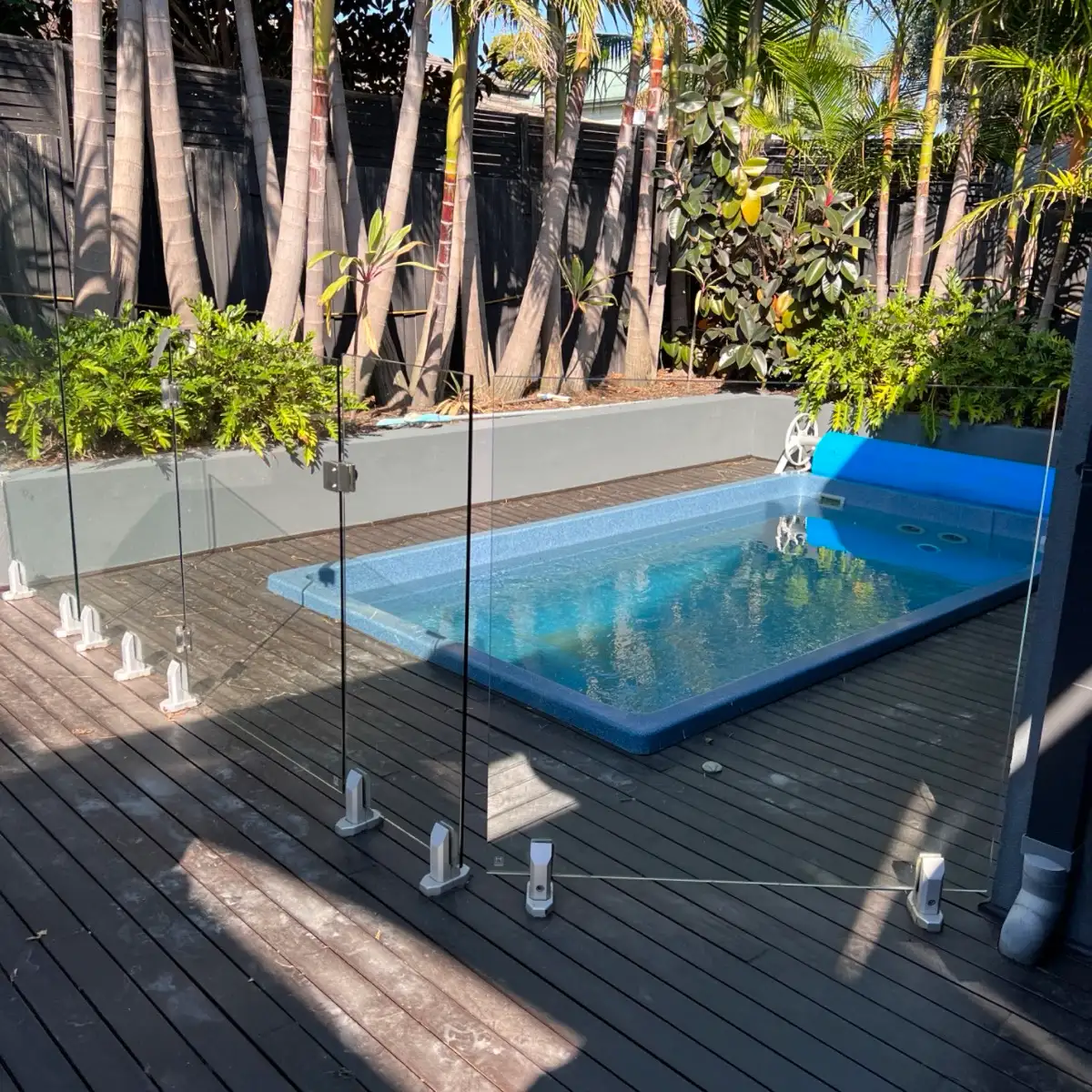
What the Law Requires
Since 1 December 2019, every Victorian pool or spa that can hold more than 300 mm of water must be registered with the local council, inspected by a registered building inspector or surveyor, and certified compliant every four years. The rules sit in Part 9A of the Building Regulations 2018 and apply to in-ground and above-ground pools and spas.
The barrier standard your pool must meet depends on when it was built. Your council confirms the construction date when you register and tells you which standard applies. Older pools are not held to the newest standard, but they must meet the one that applies to them.
The Construction-Date Bands Councils Use
Built on or before 30 June 1994
The oldest pools, assessed against the earliest barrier standard. The first certificates for these pools were due in June 2022.
Built between 1 July 1994 and 30 April 2010
Assessed against the standard in force at the time of construction. First certificates were due in June 2023.
Built between 1 May 2010 and 31 October 2020
Assessed against the standard in force at the time of construction; pools built from 1 May 2013 are assessed against the current standard, AS 1926.1. First certificates were due in June 2024.
Built after 1 November 2020
Registered and certified within 30 days of the pool's final inspection, then every four years. We don't do these first certificates; speak to the building surveyor for your pool permit.
The Current Standard, AS 1926.1

The Main Things an Inspector Checks
Under the current standard these are the big ones. Older pools have different measurements, which is why the construction date matters.
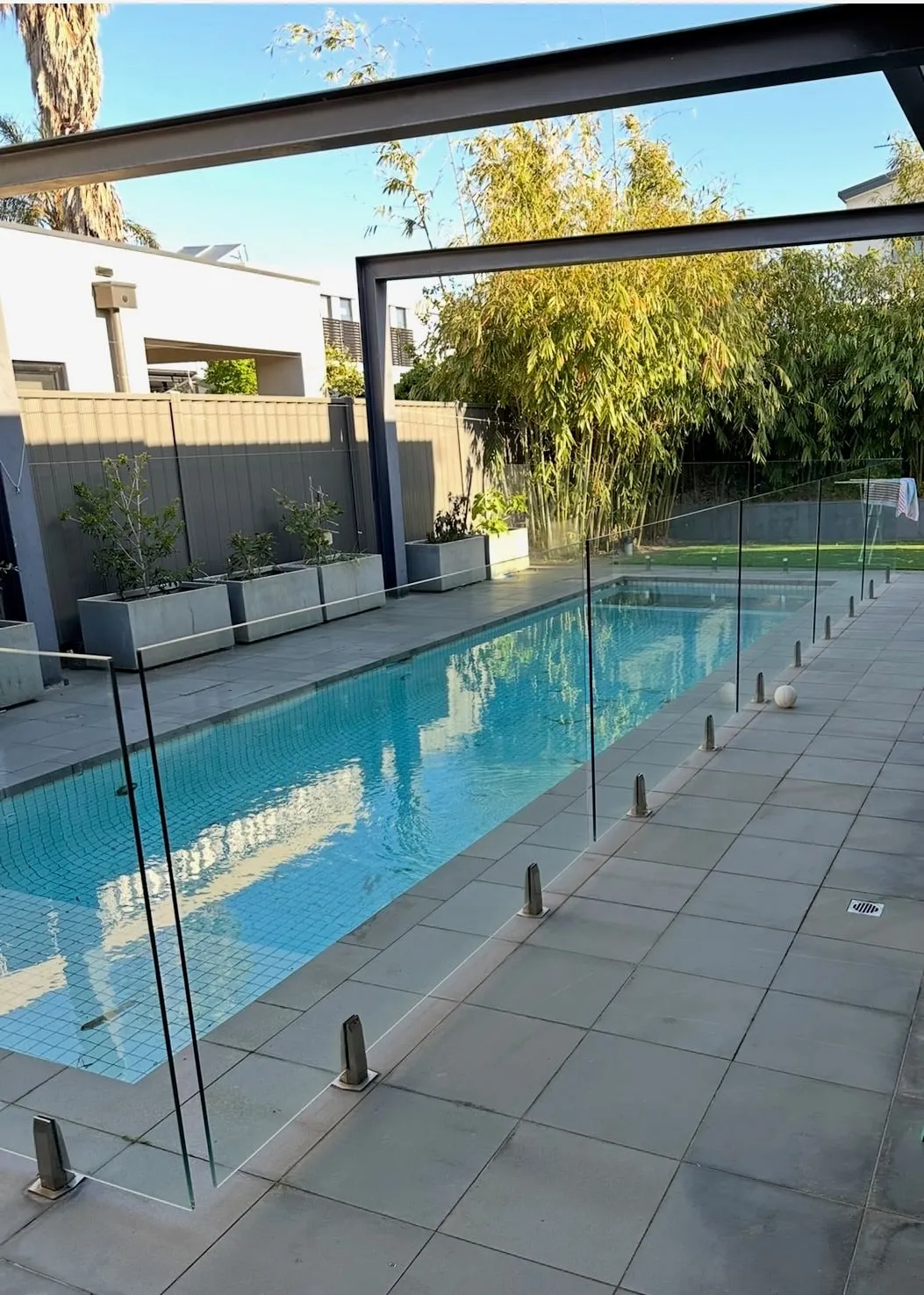
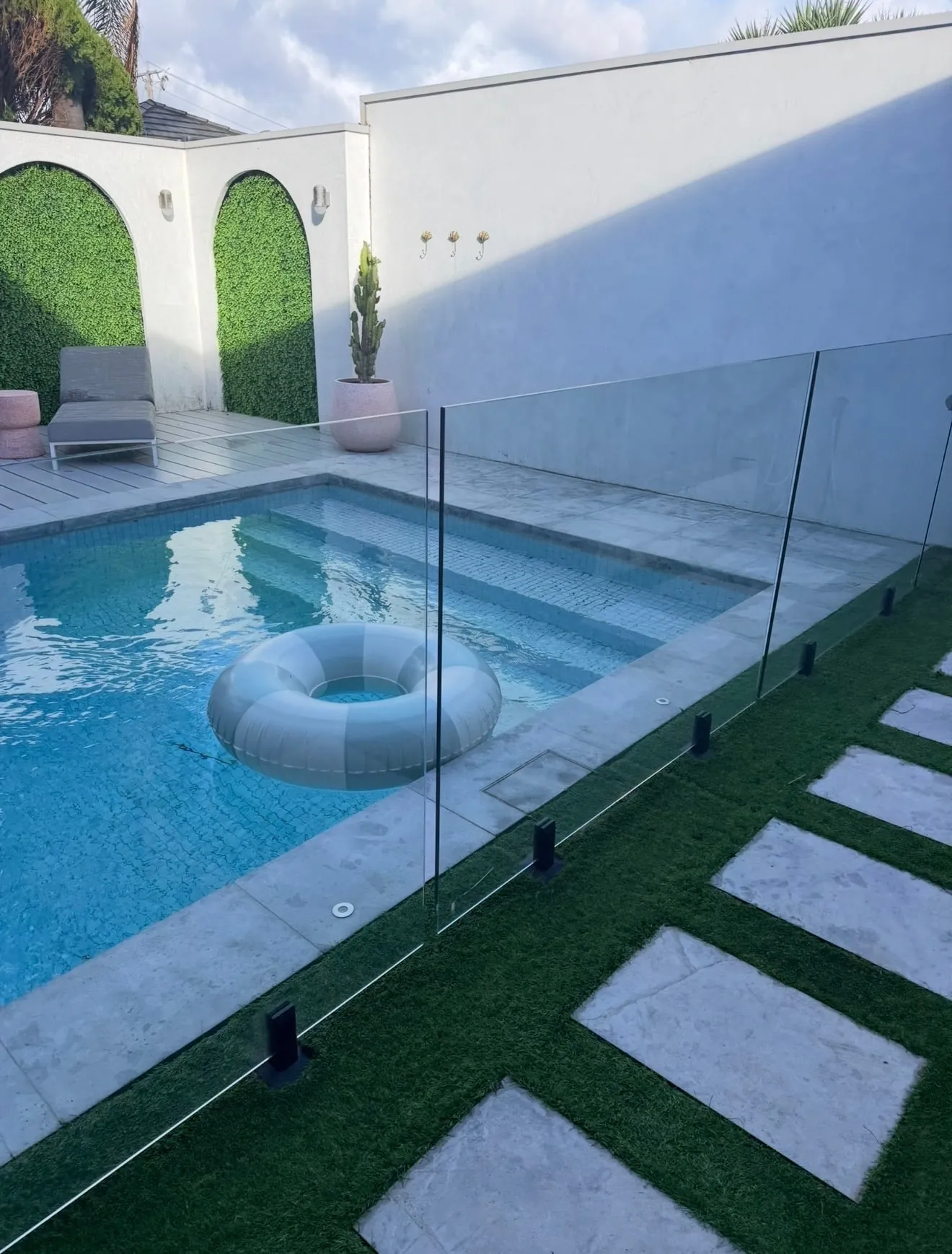
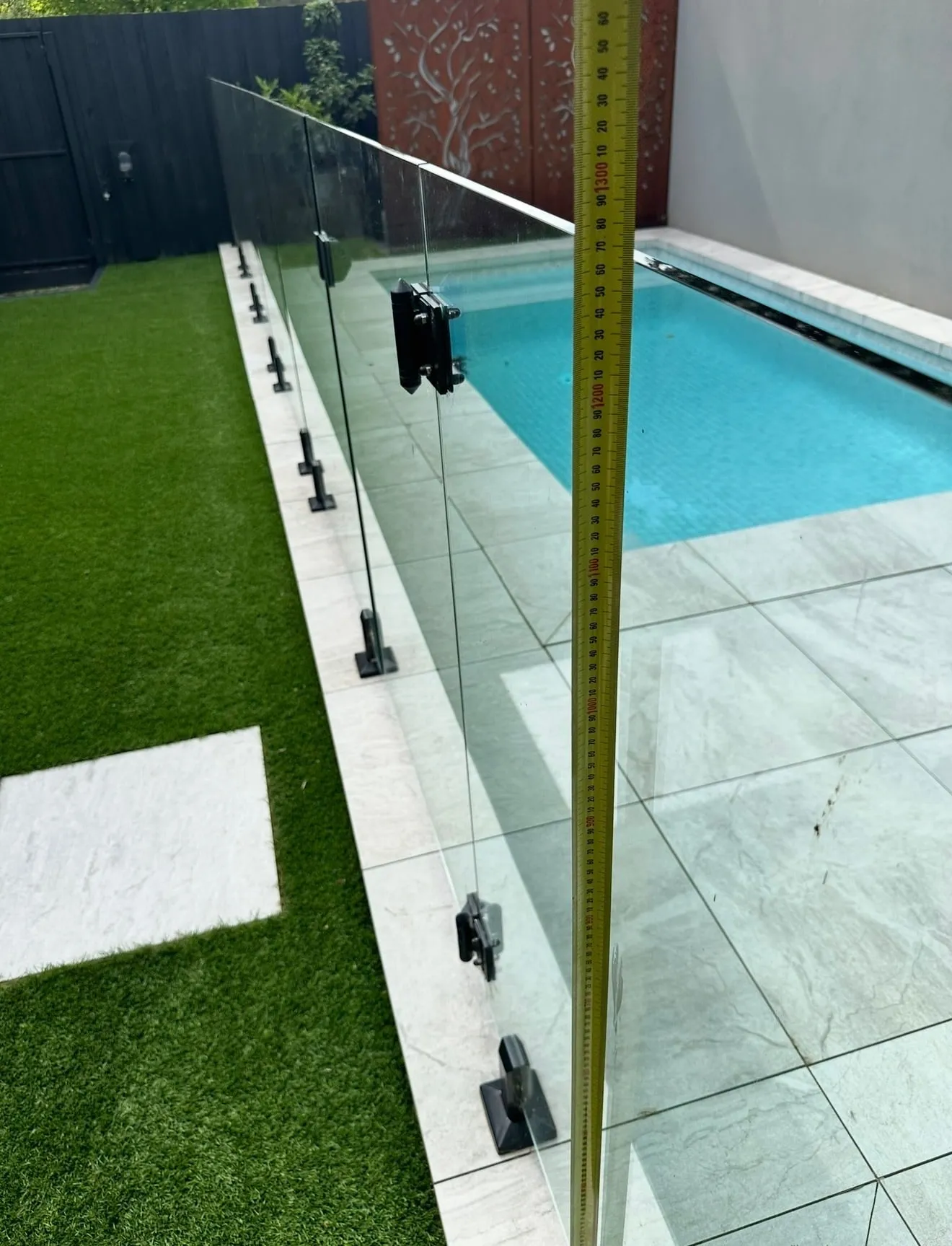
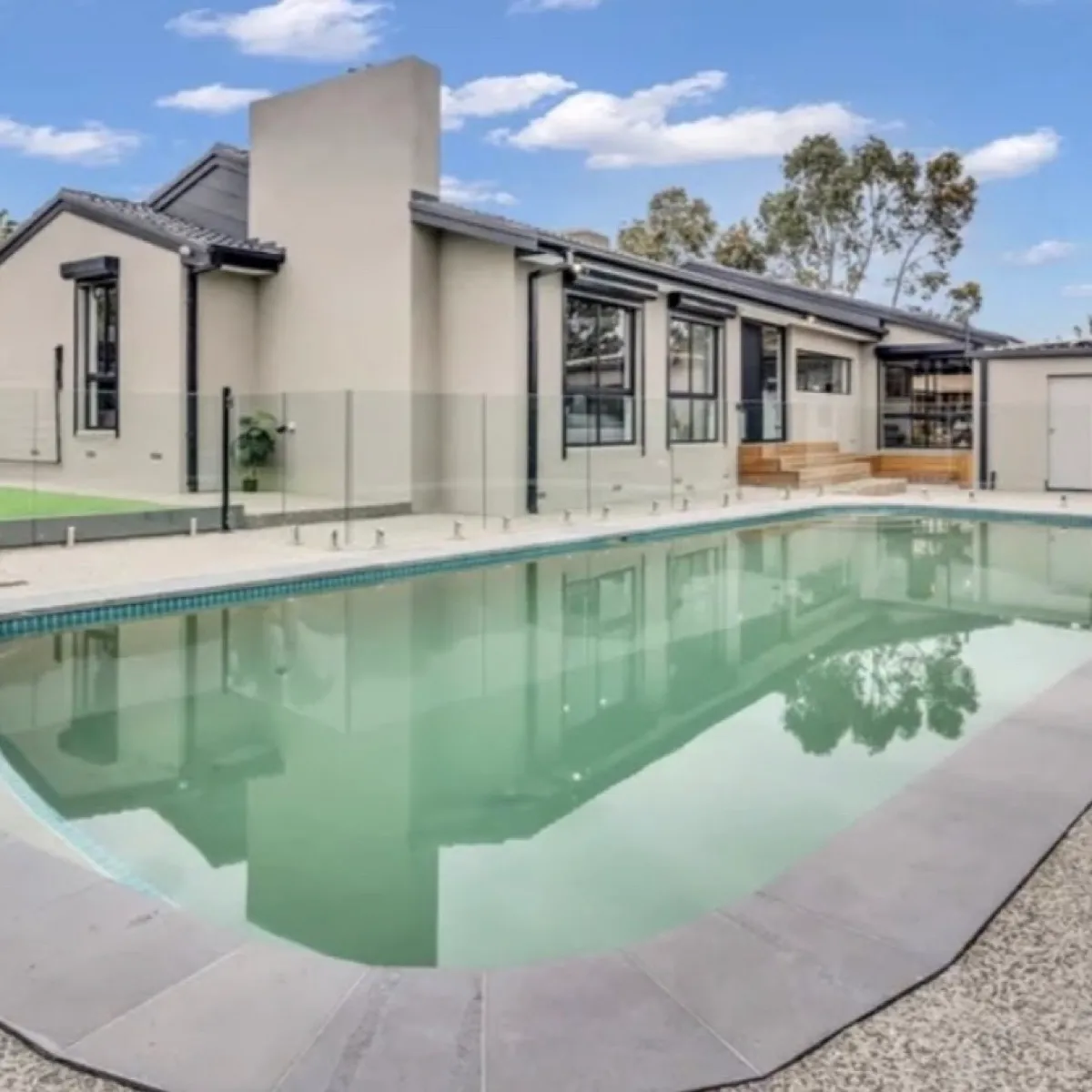
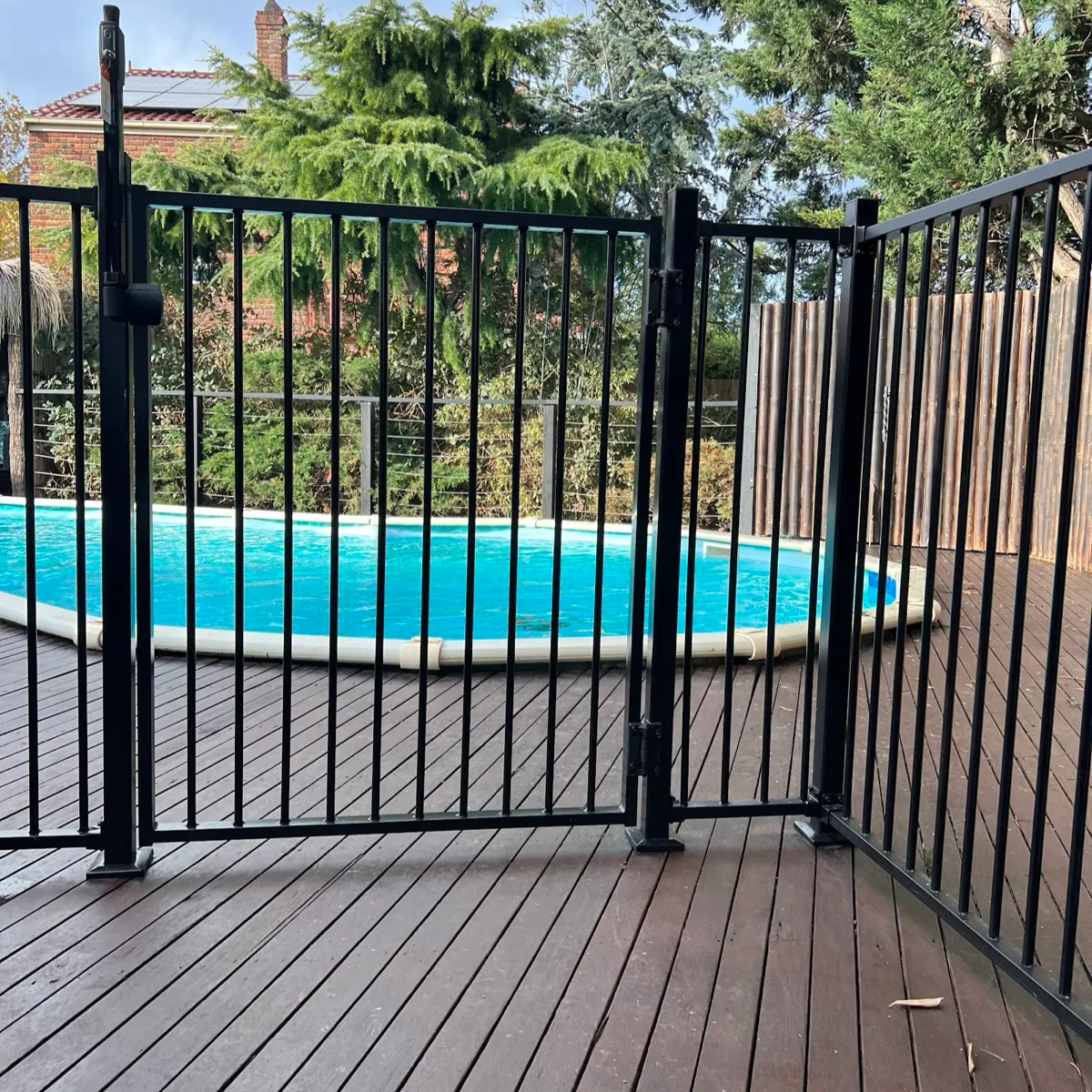
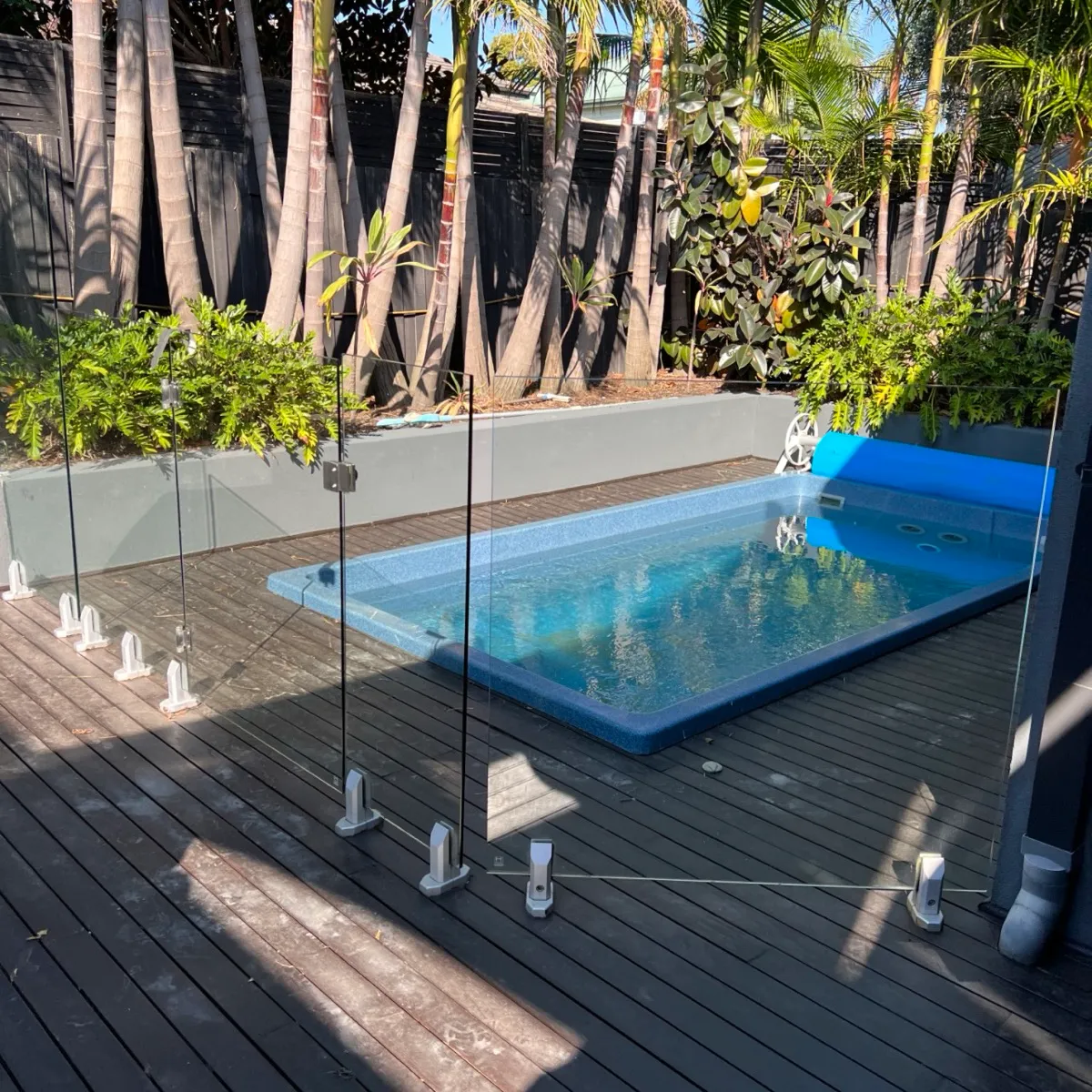
A barrier at least 1.2 m high, measured on the approach side, all the way around
No more than 100 mm between the ground and the bottom of the barrier, and no opening a child could pass through
1200 mm clear of footholds on the outside of the barrier (900 mm if built after 1 May 2013), including branches, furniture, barbecues, pot plants and horizontal rails
Opening outwards away from the pool, self-closing and self-latching from all positions, with the latch at least 1.5 m above the ground or properly shielded
Windows opening onto the pool area can't open more than 100 mm
FAQs
Frequently Asked Questions
About Victoria's pool and spa barrier rules.
Do above-ground and inflatable pools need a barrier?
Yes, if they can hold more than 300 mm of water. The rules don't distinguish between a concrete pool and an inflatable one.
My boundary fence is part of the pool barrier. Does it count?
It can, if it meets the standard for your pool's construction date, with no climbable points on the outside. Replacing a boundary fence that forms part of a barrier needs a building permit.
Who can issue the certificate?
Only a registered building inspector or building surveyor. Joseph's registration with the Building and Plumbing Commission (formerly the VBA) is IN-PS 73817.
What are the penalties?
Councils can issue infringement notices and fines for failing to register, lodge a certificate or fix a barrier on time. The amounts are set by the state and change each year, so check your council's page for current figures.
Is this the same across Australia?
No. Each state has its own rules. This page covers Victoria only.
Open 24 Hours · Same-Day Bookings
Not Sure Which Standard Applies?
Not sure which standard applies to your pool? Book an inspection or call 0466 301 036 and we'll work it out with you.